
Garbage Disposal Repair · Edgewater, FL
Humming, Jammed or Leaking Under the Sink in Edgewater, FL? Garbage Disposal Repair or a New Unit
A disposal that hums and will not turn, goes silent or drips under the sink is giving you a clue. Match what it does to the likely cause before you decide to repair it or replace it.
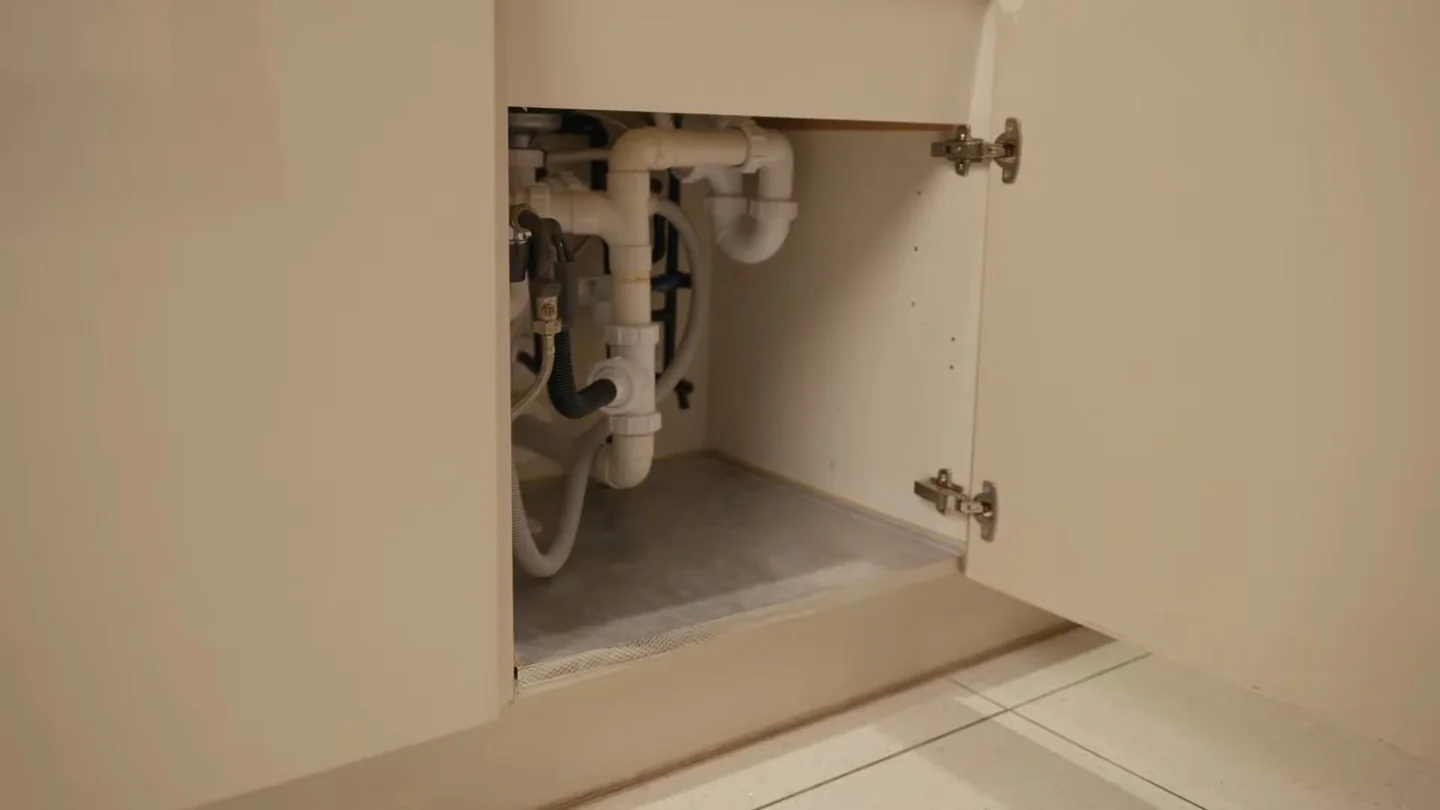
Humming, silent or dripping: three problems, three answers
A disposal that fails does it in one of a few ways, and the way it fails tells you what is wrong. Match yours to the list before you decide what to do.
| What it does | Likely cause | Next step |
|---|---|---|
| Hums but the blades do not turn | Jammed grinding plate | Power off, then clear the jam (steps below) |
| Silent, no hum at all | Tripped reset, a switch or power problem, or a failed motor | Check the reset button, then the breaker |
| Runs but drains slowly | Clog past the disposal, or a blocked drain line | See the drain section below |
| Water dripping underneath | A loose or worn seal at the sink flange, the body or a hose | Find where it starts before replacing anything |
| Burning smell or smoke | Overheated motor | Turn it off, unplug it and call |
Clearing a disposal jam: cut the power and keep hands out
Never put your hand into a disposal, even when it is off. The steps below keep your hands out of the way.
- Cut the power. Switch the wall switch off, then switch off the breaker or unplug the unit. A disposal that is only switched off can still start.
- Look for an object. Shine a light in and remove anything you can see with tongs or pliers, not fingers.
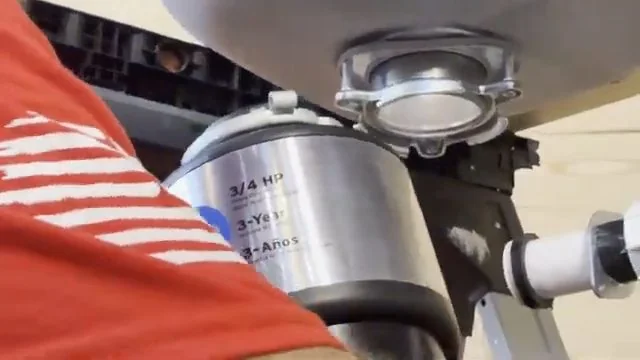
- Turn the blades by hand. Many units have a hex socket on the bottom. A hex key turned back and forth frees the plate. A broom handle from above can work on some models.
- Press the red reset button. It is on the bottom of most units. Wait a few minutes if it will not stay in.
- Restore power and test. Run cold water and switch it on briefly.
If it jams again right away, or the reset keeps tripping, stop. A repeated trip usually means a failing motor or something still stuck inside.
Call Edgewater FL Expert Plumbers, say what it does and how old the unit is.
Where is the leak coming from?
A disposal has several joints, and each leaks for a different reason. Run water into the sink, dry the underside and watch where drops form.
- Top, around the sink flange. The mounting seal has loosened or hardened. It can often be reseated or resealed.
- Side, where the dishwasher hose attaches. The clamp or the hose has failed, which is a small repair.
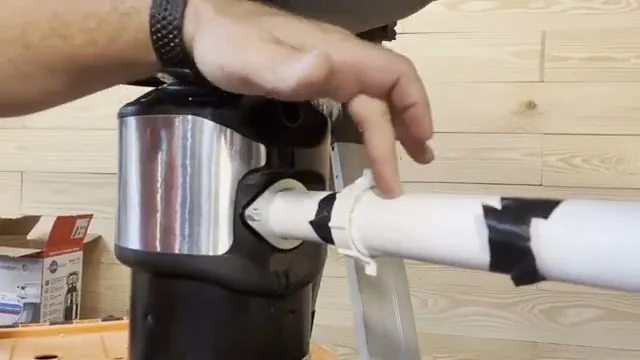
- Side, where the drain pipe attaches. A gasket or bolts have loosened.
- Bottom or body. A crack or a failed internal seal. The disposal itself needs replacing.
Cleanup depends on how long it has leaked. A cabinet floor that has stayed wet may have swollen or have mold. If a slow leak has been going for some time, ask whether the cabinet base needs to be checked, and see drying a wet cabinet if materials are soaked.
Repair or replace the disposal?
A repair makes sense when the problem is a seal, a hose or a jam. Replacement makes sense when the body leaks, the motor has failed or the unit is old and failing in more than one way.
- Age. Many disposals last for years but not decades, and an old unit that has had one failure may have more coming.
- Where it leaks. A body leak cannot be repaired.
- Noise and performance. A grinding unit that hums and stalls is wearing out.
- The cost comparison. Ask for both options in writing.
Installing a new disposal: what the job includes
A new disposal is more than swapping the unit. The plumber should check the sink flange, the drain connections and the power. A short list of what to ask:
- Is there a wall outlet under the sink, or does the unit need to be wired in? Electrical work may be a separate trade.
- Does the dishwasher drain through the disposal? If it does, the knockout plug inside the new unit has to be removed so the dishwasher can drain.
- Will the existing sink opening and drain trap work, or do they need changing?
- Is the old unit being removed and taken away?
The unit's power rating matters for how well it handles waste, but a bigger motor does not fix a poor drain line. Ask the plumber what they recommend for your household.
Odors and noise: what they mean
A disposal that smells usually has food residue in the grinding chamber or the drain, and cleaning it often helps. A grinding or rattling sound can mean a foreign object, such as a bottle cap or a utensil, is inside. Switch it off, cut the power and look with a light before running it again. A noise that continues with nothing inside points to worn bearings.
Is it the disposal, or the drain behind it?
A disposal that runs but fills the sink is often fine. The blockage may be in the trap or the line beyond it. Try the other side of a double sink, and see whether other fixtures in the kitchen drain normally. If several do not, the line is blocked, and drain clogs past the disposal are a separate job.
Water and softened city supply
The City of Edgewater softens its water in treatment but does not publish a hardness figure, so we cannot say whether mineral buildup is a problem in your disposal. If a plumber blames scale for a failure, ask what they saw that supports it.
Habits that keep a disposal working
- Run cold water before, during and after use.
- Feed scraps in gradually, not all at once.
- Keep grease, coffee grounds, fibrous stalks and starchy peels out of it.
- Never put non-food items down it, and keep utensils out of the drain opening.
If a disposal clogs often even with good habits, the issue may be the drain line, not the disposal. Ask your plumber to run a camera through the line if it comes up more than once.
Tell us what the disposal is doing
Say whether it hums, stays silent or leaks, and how old the unit is.