
Trenchless Sewer Repair · Edgewater, FL
Damaged Sewer Pipe in Edgewater, FL? Trenchless Pipe Lining and When It Beats Digging
A cracked or leaking sewer pipe under a driveway, patio or mature tree can make a trench feel like the only option. Trenchless repair works from the ends of the pipe, and it fits some lines but not others.
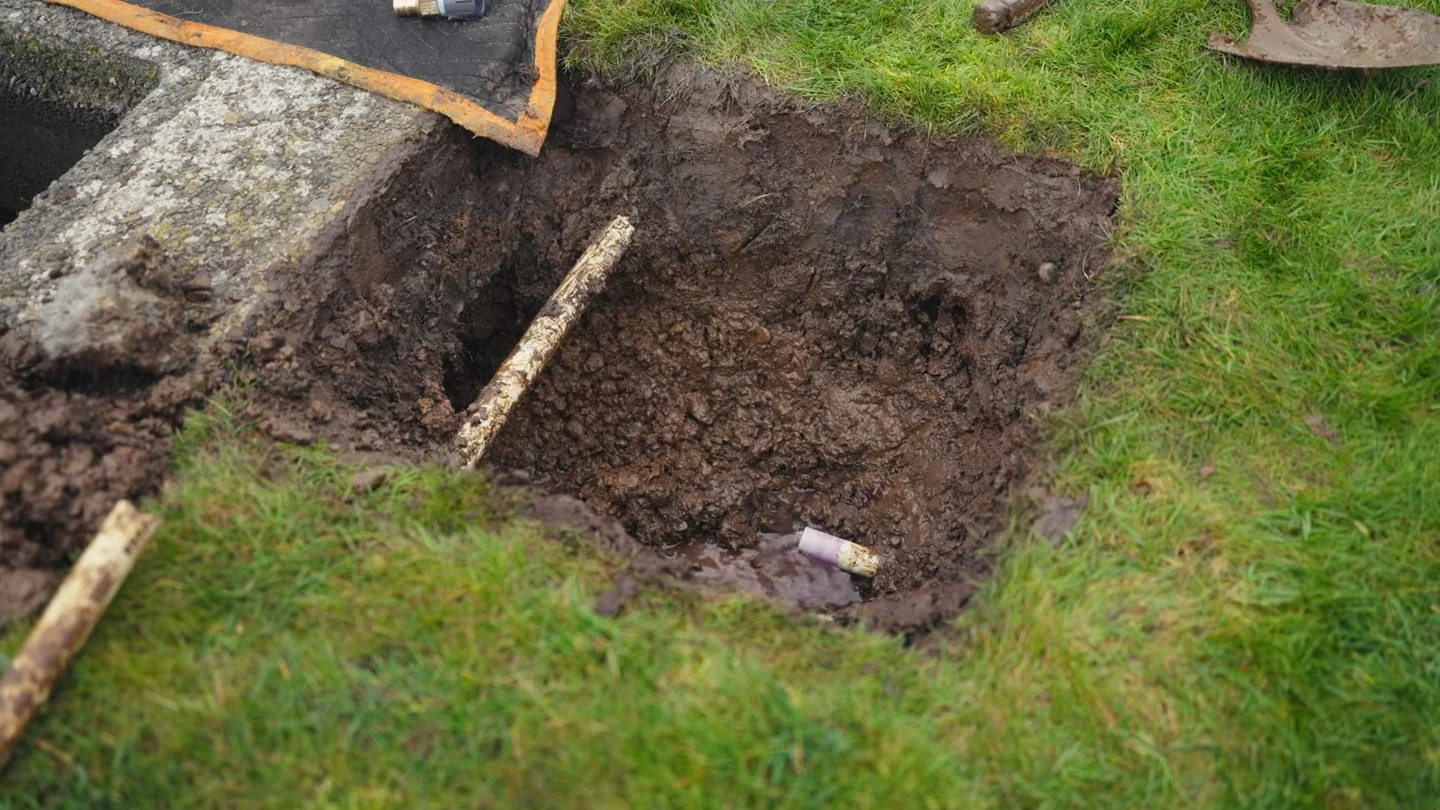
Is trenchless an option for your damaged pipe?
Trenchless repair works from the ends of a pipe, not along its whole length. That makes it attractive when the line runs under a driveway, a patio, a mature tree or a finished yard. It does not suit every pipe, and a good plumber will say so if yours is not a candidate.
Three conditions tend to decide it, and all three come from a camera inspection:
- The pipe is still a pipe. Lining needs a path to pull a liner through. A pipe that has collapsed or has a major offset may need to be dug up.
- Access exists. There must be a cleanout or an excavation point at each end that the crew can use.
- The pipe size and bends work. Very sharp bends, many fittings and changes in diameter can limit what is possible.
Before any of this is decided, inspecting the line first is the step that shows what the pipe looks like. If it is only clogged, jetting before lining may be a necessary first step anyway.
Lining or pipe bursting: two trenchless methods
| Method | How it works | Fits when | Ask about |
|---|---|---|---|
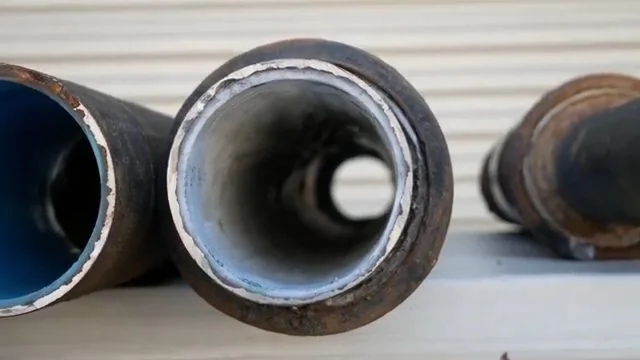
| Cured-in-place lining | A resin-soaked liner is pulled in and hardened to form a new pipe inside the old one | The old pipe is cracked or leaking at joints but still in place | How much the inside diameter shrinks |
| Pipe bursting | A new pipe is pulled through as the old one is broken apart | The old pipe is too damaged to line and a full replacement is wanted | What lies near the line that could be affected |
Both methods leave less to restore than a trench. Both also need a clean, inspected pipe to start. Ask the plumber which method fits your line and why, and ask what happens if the camera finds something unexpected partway through.
Trenchless versus open trench: what you give up and what you gain
Trenchless is not automatically the better choice. It trades digging for equipment and curing time. Compare the two on your own line.
- Yard and driveway. Trenchless usually disturbs less surface. Open trench is more disruptive, but it lets the crew see and replace the whole pipe.
- Pipe condition. Lining lines the inside of an existing pipe. If the pipe is badly shifted or collapsed, a trench may be the only sound repair.
- Connections. Branch lines and fittings need to be reconnected after lining. Ask how that is done and how it is checked.
- Records. Ask for camera footage afterward showing the finished line, so you can see the result.
If the line is badly damaged, traditional dig-and-replace repair may serve you better. Our plumbers will describe both on your pipe, not recommend one by default.
Call Edgewater FL Expert Plumbers and tell us what the camera showed or what the symptoms are.
Questions to ask before you agree to relining
- What did the camera show, and can I see it?
- How long is the section to be lined, and where does it start and end?
- What preparation is needed, such as cleaning or root removal?
- How will branch lines be reopened?
- What camera record will I get when the job is done?
- What is the warranty, and what does it cover? Please put it in writing.
What a lining job involves from start to finish
Steps vary with the method and the pipe, but a typical lining job follows this order, and you should expect the plumber to explain each stage on your line.
- Camera inspection. The pipe is recorded and the damaged section located and measured.
- Cleaning and preparation. Debris, roots and buildup are cleared so the liner can seat properly.
- Liner installation. The resin-soaked liner is pulled or inverted into place and pressed against the old pipe.
- Curing. The liner hardens, using heat or light, depending on the system.
- Reopening connections. Branch lines that were covered by the liner are cut open again.
- Final camera inspection. The finished pipe is recorded so you can see the result.
Ask for the before and after footage, and ask how long the line will be out of service. Plan your water use around it, because a line that is being lined cannot take wastewater.
Whose responsibility is the lateral in Edgewater?
The City of Edgewater utility bills water, sewer, stormwater and garbage together, and its customer line is 386-424-2400, extension 4000. We could not find a published rule on where a homeowner's responsibility for a sewer lateral stops, and not every property may be on city sewer. A trenchless repair is a significant job, so confirm with the utility which section is yours before you agree to it.
Ask the city about permits at 386-424-2400. Its 2019 fee schedule lists an "all other plumbing permits" item, but we found nothing specific to sewer lining. The city can tell you whether your job needs a permit and who should apply.
Marking utilities and protecting what is underground
Even trenchless work may need access pits at each end, which means digging. Contact Sunshine 811 before any excavation so buried lines are marked. Sunshine 811 asks for at least two full business days' notice, excluding weekends and holidays, so ask the plumber to arrange it and tell you the date.
Ask about nearby trees and other buried items too. Roots that caused the original damage can come back around a liner if they are not dealt with, so ask what the plan is for them.
When lining is not the answer
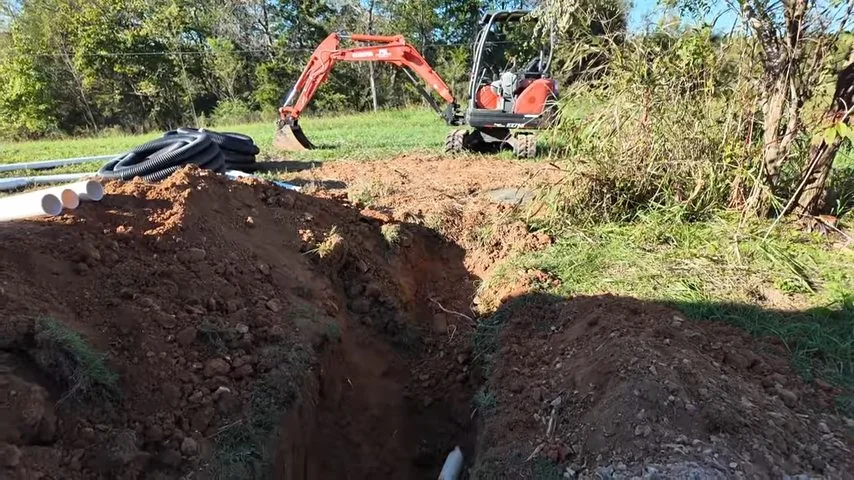
Some lines are better replaced. A pipe that has collapsed, a long section that has sagged and holds water, or a line with damage in many places may not be good candidates for a liner. A plumber should explain this plainly and show the footage that supports the advice.
If you are also seeing leaks inside the house, remember that sewer problems and supply line problems are separate. Tracing a leak is a different job from relining a drain.
Ask whether your damaged line can be lined
Tell us what the symptoms are or what a camera inspection showed, and we will say what looks possible.