
Water Heater Repair · Edgewater, FL
No Hot Water in Edgewater, FL? Water Heater Repair for Leaks, Lukewarm Showers and Tripped Breakers
A cold shower or a puddle around the heater is a bad way to start the day. Start by finding out where the water or the failure is, because that decides whether a repair is possible.
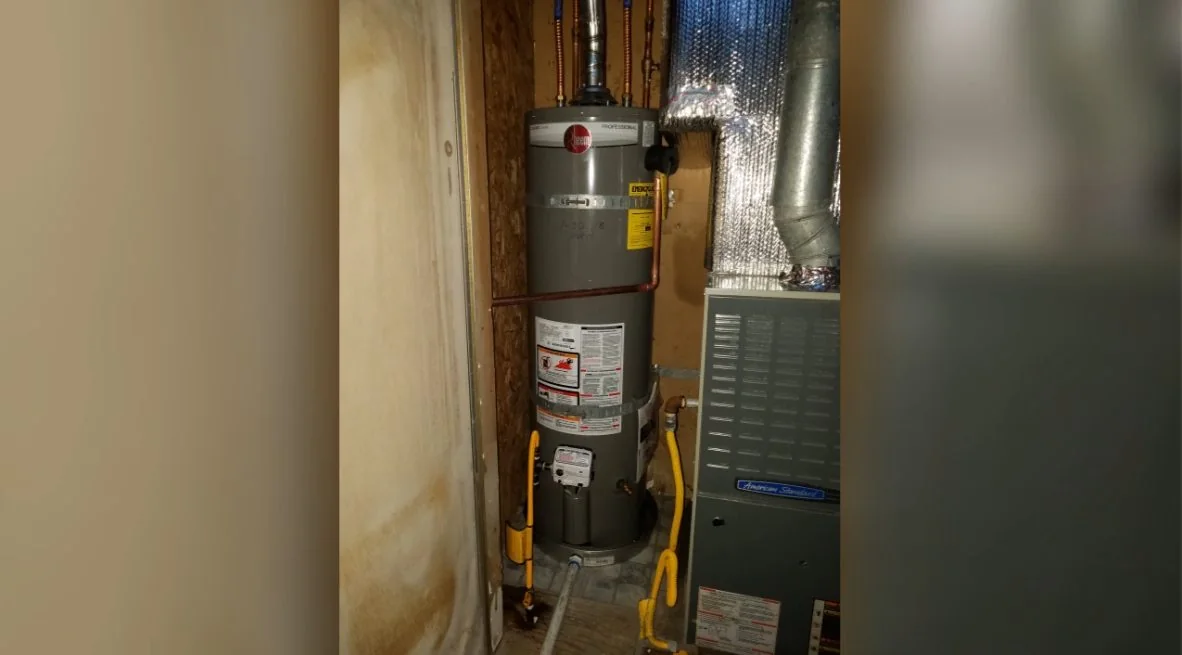
Where is the water coming from?
Before anything else, find the source. A wet floor around a heater does not always mean the tank has failed, and the source decides whether a repair is possible.
| What you see | Likely source | Repair possible? |
|---|---|---|
| Drips at the top, at a pipe fitting | Loose or corroded connection or shutoff valve | Usually yes |
| Water running from the side pipe on the tank | Temperature and pressure relief valve, opening for a reason | Valve can be replaced, but the cause needs finding |
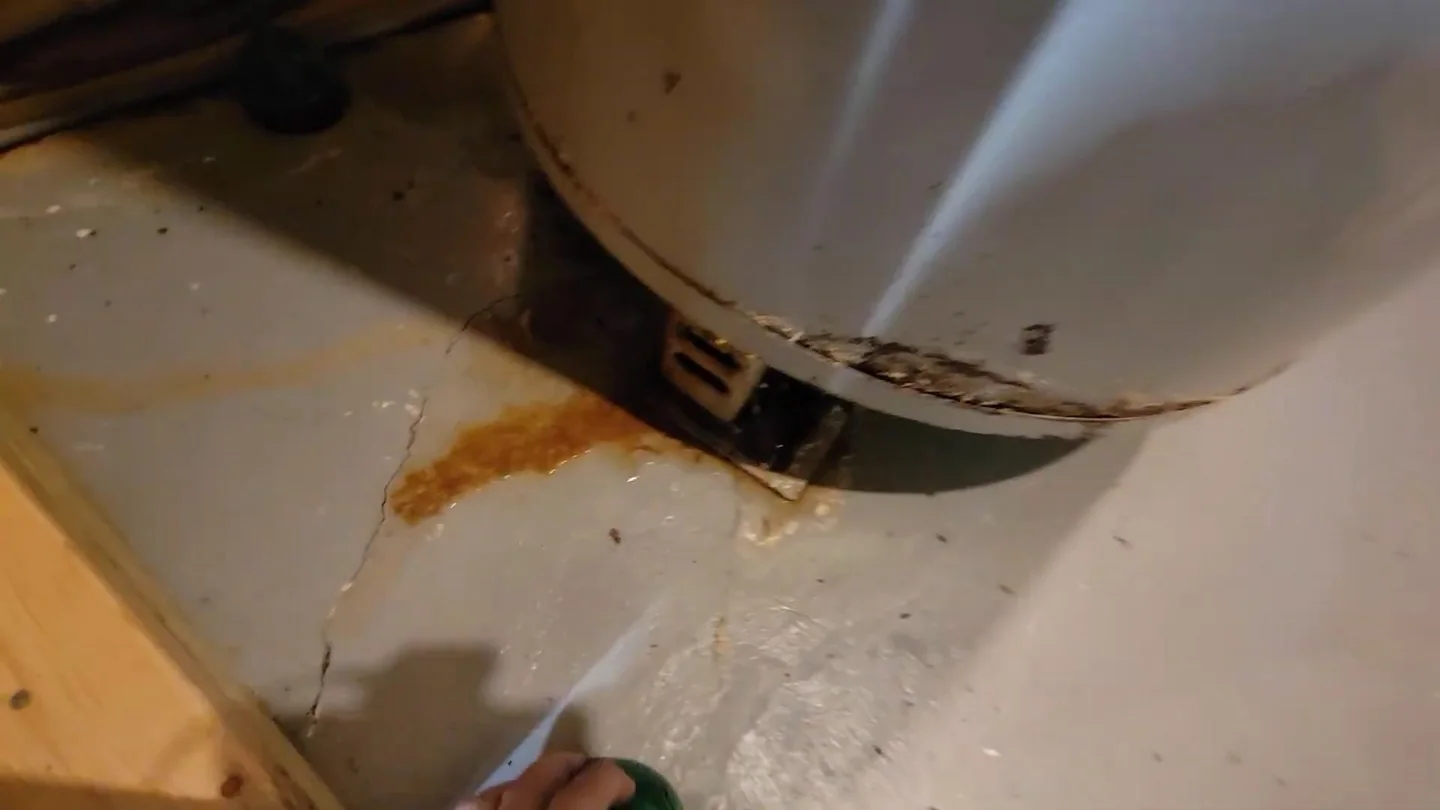
| Water at the bottom of the tank | A drain valve, or the tank itself | Drain valve yes; tank body no |
| Dampness near the unit, no clear drip | Condensation, or a slow leak nearby | Depends on the source |
If the tank body is leaking, the unit needs to be replaced, and water heater replacement is the next page to read. Shut off the cold-water inlet valve on top of the tank while you wait. If the heater is electric, switch off its breaker too.
A relief valve that keeps opening is a warning, not a nuisance. It can mean excess pressure or temperature. Do not cap it or plug the discharge pipe. Call and say what the valve is doing.
No hot water: gas and electric heaters fail differently
The two fuel types share a symptom but have different causes, and the safe homeowner checks are different.
Electric water heater
Check the breaker first. A tripped breaker is the simplest cause. If the breaker is fine and the water is cold or only lukewarm, a failed heating element or thermostat is the usual reason. These parts can be tested and replaced.
Gas water heater
Look at whether the pilot or igniter is lit, but do not repeatedly relight a unit that keeps going out. A bad thermocouple, a dirty burner or a venting problem can all cause it. If you smell gas at any point, leave the house and call 911 or your gas provider from outside. Call a plumber only after the building is safe.
If the heater has power or gas and still gives no hot water, ask the plumber to say what was tested and what failed, not only what was replaced.
Call Edgewater FL Expert Plumbers, say whether the heater is gas or electric, and tell us what you have already checked.
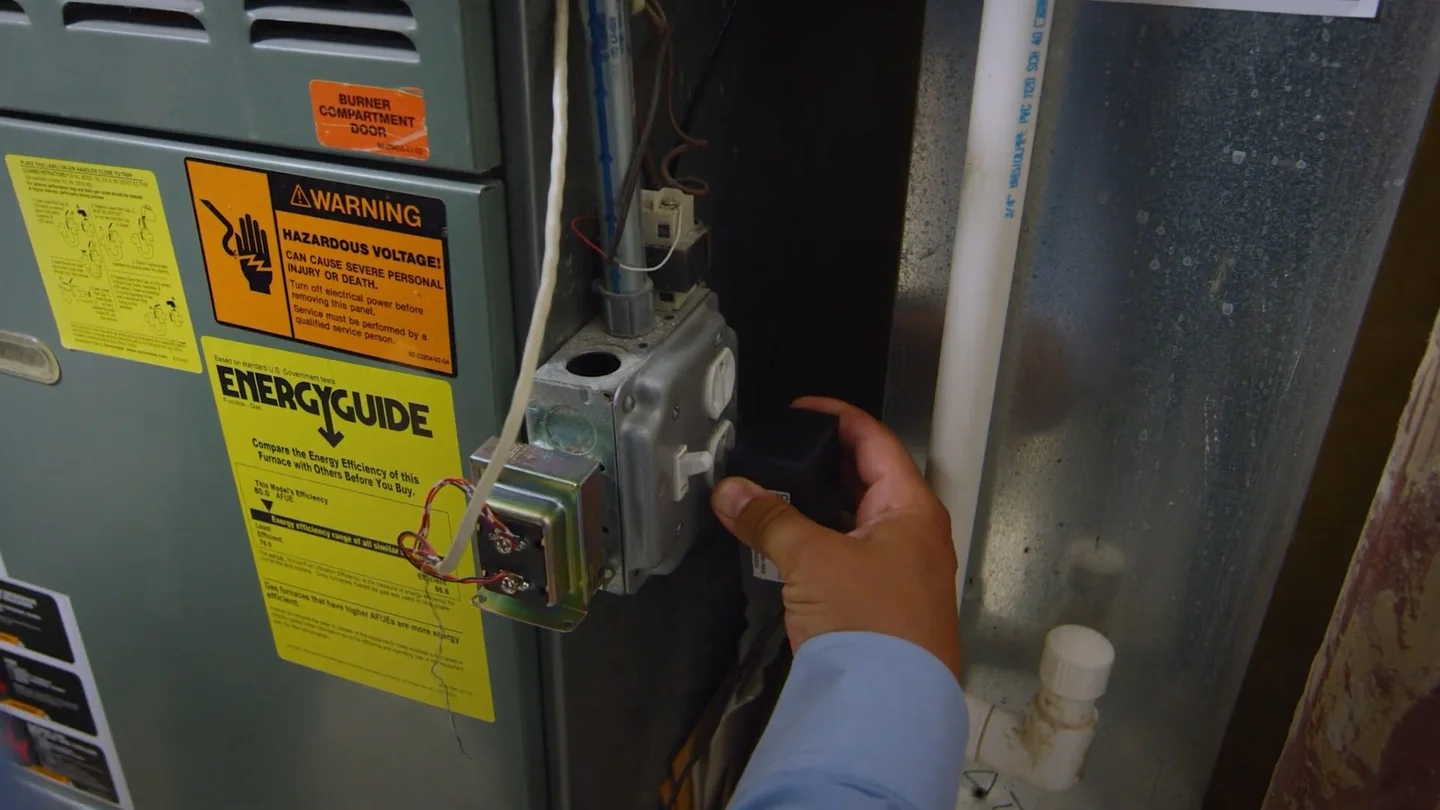
Hot at the shower, lukewarm at the sink? Check the fixture
If only one tap runs lukewarm while the others are hot, the heater is probably fine. A worn cartridge in a mixing faucet or a failing shower valve can cause it. That is a fixture repair, and faucet and sink repair covers it. A plumber should check a second tap before replacing any part of the heater.
Repair or replace: what actually tips the decision
A repair makes sense when the tank is sound and the failure is a part. Replacement makes sense when the tank is leaking, corroded or old enough that the next failure is likely soon. Four facts help you decide.
- Age. Find the manufacture date on the data plate. Many Edgewater homes date from the 1980s and 1990s, so the heater may already be a replacement.
- Condition. Rust at the base or around fittings points to tank corrosion, which a repair cannot fix.
- History. A heater that has needed repeated repairs in a short time is telling you something.
- The quote. Ask for the repair and the replacement priced side by side, in writing.
The City of Edgewater lists a water heater change out as a permit item in its 2019 fee schedule, so if the answer is replacement, check with the city at 386-424-2400 about the permit before work starts.
What to ask a plumber to look at and write down
- Which part failed, and how it was tested.
- Whether the relief valve and its discharge pipe are in working order.
- Whether there is sediment in the tank, and whether it was flushed.
- Whether the unit is the right size for the household.
- What is covered by any warranty on the part or the labor.
Our plumbers will answer these on the call. If you ask a different company, ask the same things.
Noises, smells and settings worth reporting
- Popping or rumbling. Usually sediment on the tank floor. It can often be flushed, and it is worth mentioning because it also shortens a tank's life.
- A sulfur smell from hot water only. This is often tied to the tank and its anode rod. Ask the plumber to check, rather than assuming the city water is at fault.
- Water that is too hot. A thermostat set too high can scald. Do not guess at a repair; report it and have it checked.
- A tank that runs out quickly. A failed lower element or a heavy sediment layer can cut the supply of hot water.
A repair visit is also a good moment to ask whether the tank should be flushed and whether the relief valve has been tested. A good plumber will explain what the heater needs and what can wait.
Scale, sediment and softened city water
Edgewater's utility says its groundwater is softened in treatment, but its 2024 water quality report gives no hardness number. Sediment in a tank can still build up over years, whatever the source. If a plumber tells you that hard water is the cause of a failure, ask what test supports that. You can also ask the city utility, at 386-424-2400, extension 4000, for the current hardness figure.
When a heater problem becomes a water damage problem
A slow leak behind a closet wall or under a garage shelf can go unnoticed for weeks. Look at the floor and the wall base around the heater. If you find soft drywall, swollen baseboards or a musty smell, call and mention it. Water damage restoration deals with removal and drying, which is separate from the plumbing repair, and an older leak can need both.
Tell us if the heater is gas or electric and what it is doing
Tell us whether the heater is gas or electric, what it is doing and what you have already checked.