
Water Damage Restoration · Edgewater, FL
Edgewater, FL Water Damage Restoration: Stop the Source, Remove the Water and Dry the Structure
Water is on the floor, in a wall or coming through a ceiling. The steps you take in the first hour decide how much has to be dried, removed and replaced later.
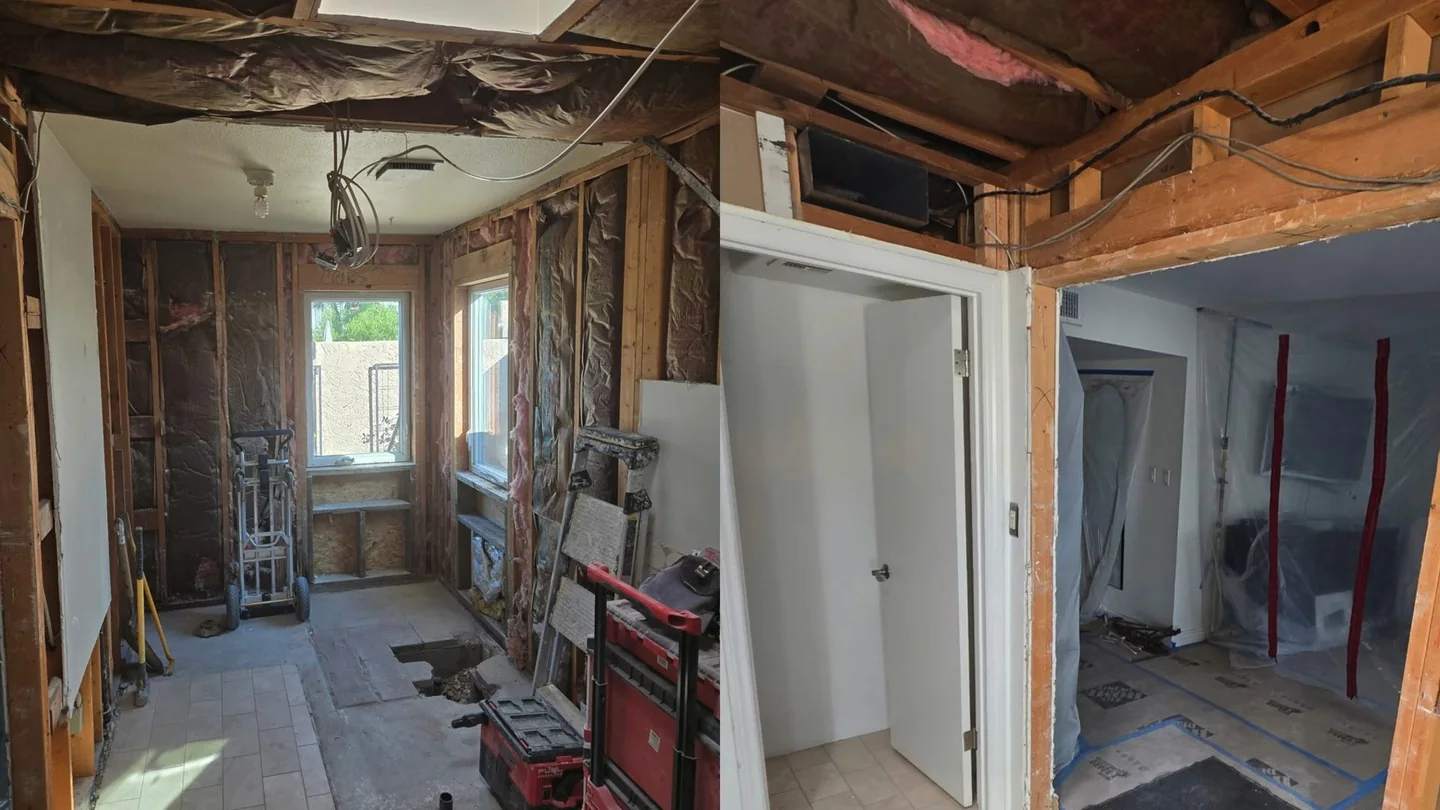
The first hour: stop the source, then protect what you can
Water damage grows with time. The first actions are about stopping more water and limiting what it reaches, before any cleanup begins.
- Stop the water. Close the main shutoff, or the shutoff at the fixture or appliance that is leaking.
- Stay out of danger. If water is near outlets, appliances or a panel, keep away and switch off power at the breaker only if you can reach the panel safely and dry.
- Move what you can. Lift furniture legs off wet carpet and move papers, electronics and keepsakes to dry rooms.
- Photograph everything. Take pictures before you move or throw away anything.
- Call and describe it. Say where the water came from, how long it has been there and what it has reached.
If the source is still unknown or still running, the plumbing problem comes first. If a line has broken, repairing a broken pipe comes first, and tracing a hidden water source comes first when you cannot see where it starts. Drying a room while a pipe keeps leaking does not work.
What we cover, and what is a separate job
This page is about removal and drying: getting water out of the structure and drying the materials that can be saved. It does not cover rebuilding. Replacing drywall, installing flooring, painting and carpentry are separate trades.
- Covered here: standing water removal, drying of floors, walls and ceilings, and moisture checks to see whether materials are dry.
- Handled by others: rebuilding and finish work, and electrical work on anything that got wet.
- A separate state-regulated job: mold testing and mold removal over about 10 square feet. The mold section below explains how Florida divides that work and what we do first.
Call the water damage line and describe what you see.
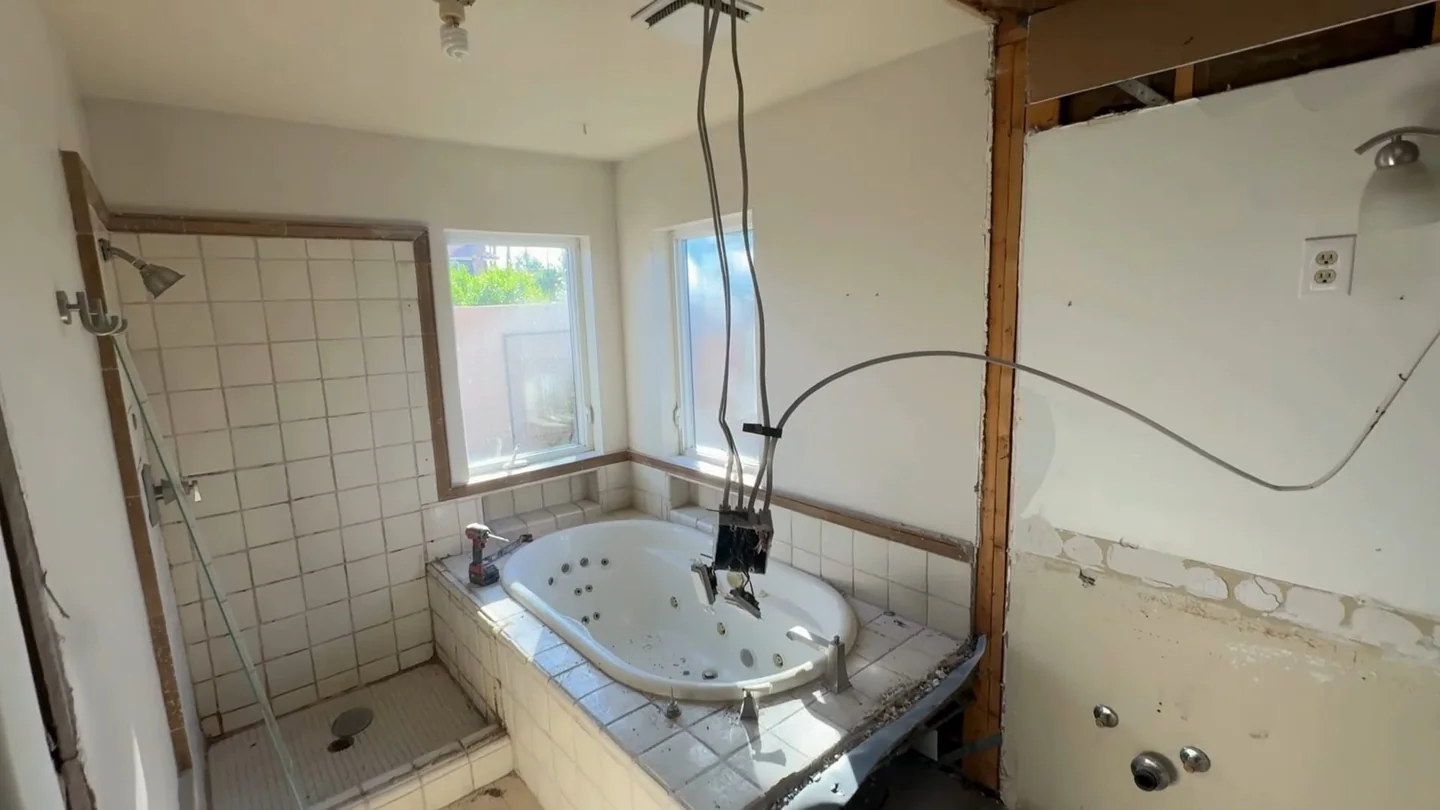
Which materials can be dried and which usually come out
The type of material and how long it has been wet decide whether it can be saved. A drying crew should tell you which is which before anything is removed.
| Material | What to watch for | What usually happens |
|---|---|---|
| Carpet and pad | Pad holds water under the carpet | Pad is often removed; carpet may be dried or replaced |
| Hardwood and wood flooring | Cupping or lifting boards | Drying may save it when caught early |
| Drywall on walls | Soft, stained or swollen areas | Wet sections are often cut out so the cavity can dry |
| Ceiling drywall | Sagging, stains, water held above | Water should be released safely and affected board removed |
| Tile and concrete | Moisture beneath finishes | Usually dried in place |
Hardwood and carpet. Wood floors that start to cup or lift need drying under and between the boards, and heat or fans pointed at the surface alone can make the damage worse. Carpet can often be dried if it is lifted from a clean pad quickly, but a pad that stayed wet is usually replaced. Ask the crew to show you the moisture reading under the floor, not only on top.
A ceiling that is bulging with water is a hazard. Do not stand under it, and do not poke it open yourself. Call, say what you see, and keep the room clear until a plumber or drying crew arrives.
Water from a sewer backup is not the same as water from a pipe
Clean supply water from a broken pipe is one situation. Water that came up from a drain or the sewer line is another, because it can carry contamination. Do not touch it without protection, keep children and pets out, and call right away.
If the backup is in your own line, a plumber needs to clear it before drying starts. If neighbors or the street are affected, the cause may be in the city main, and the City of Edgewater utility is at 386-424-2400, extension 4000. A sewer camera inspection shows where the line is blocked or broken.
Photos, lists and a plumber's note to support an insurance claim
A claim goes more smoothly with a clear record. Photograph the water source and the damage, list what was damaged, and keep damaged items until the insurer says you can discard them. Ask the plumber to write down what failed and where.
Standard homeowners policies often treat rising floodwater differently from water that comes from a plumbing failure, so say which one you have when you call your insurer. We cannot advise on your policy, and your agent can tell you how your coverage works.
Edgewater is a Volusia County city, and flood risk varies by property. We could not verify the flood zone for any particular neighborhood, so ask your insurer or the county about yours.
Storm season adds a second source of water. The National Weather Service puts the Atlantic hurricane season at June 1 to November 30, and Volusia County says its evacuation zones are not the same as flood zones, so knowing your zone does not tell you whether your property floods. We deal with water from pipes and fixtures. Rising water from outside is a question for your insurer and the county.
Questions to ask a drying crew before work starts
- What is the source, and has it been stopped?
- Which materials will be removed and which will be dried in place?
- How many days is the equipment expected to run, and who checks the readings?
- Who handles the repairs after drying?
- What do you need from me for my insurer?
Appliance leaks: dishwasher, washer and water heater
Many water losses start with an appliance. A slow supply hose leak behind a washer or a failing dishwasher line can run for days. If the appliance is the source, shut its supply valve and unplug it if the cord is dry and reachable. The repair of the appliance or the water heater is separate from drying the floor, and a plumber can handle the supply lines and fittings.
Commercial water damage
A shop or office that floods loses more than floors. Tell the property owner or manager at once, move stock and records, and photograph the damage before cleanup. Tenants should check the lease for who handles water losses, and note any hours the business was closed, since your insurer may ask. Ask the drying crew whether work can be done around opening hours, and whether one section can stay in use while another dries. See commercial plumbing if the cause is a failed line or fixture.
Mold after water damage: how fast it starts and who does what
The EPA says mold usually will not grow if wet or damp items are dried within 24 to 48 hours. That window is the reason drying starts as soon as the source is stopped. We cannot promise any result on the timing, because it depends on the materials and how long they were wet.
What we do about mold risk
The plumbing comes first: the source is found and stopped. Then the standing water comes out, and floors, walls and ceilings are dried and checked with a moisture meter, so you know which materials are dry and which are not. If drywall, insulation or flooring will not dry, we say so and you decide what comes out. Keeping the leak stopped and the structure dry is the main way to keep mold from starting.
If you already see or smell mold
- Say so on the call, and say roughly how large the area looks.
- Do not scrub, sand or paint over it, and do not point a fan at it. Moving air can spread spores to other rooms.
- Photograph it with the date, and note when the water first got in.
- Keep the leak stopped and the area as dry as you can until someone has looked at it.
How Florida divides mold work
Florida regulates mold work through the Department of Business and Professional Regulation. Under Chapter 468, Part XVI of the Florida Statutes, a person who performs or offers mold assessment or mold removal on more than 10 square feet of growth has to meet the state's requirements, and the titles mold assessor and mold remediator are protected. A mold assessor, who tests and writes the plan, generally may not remove the mold from the same structure within 12 months of the assessment, so testing and removal are usually two separate companies. A mold remediator also may not do work that needs a contractor license, such as plumbing, unless the company holds that license too.
In practice, we stop the water and dry the structure. If growth covers more than about 10 square feet, ask whoever quotes the testing or the removal to show their Florida mold license, and check it with the state before you sign. We will tell you on the call which parts of your job we do and which belong to someone else.
How a moisture check shows when a room is dry
A room can feel dry and still hold moisture in the walls or under the floor. A meter reading in the wall and the subfloor shows whether the materials are dry. Ask for those readings at the end of the job, and ask what number the crew treats as dry.
Water in the house? Call and describe what you see
Tell us where the water came from, how long it has been there and what it has reached.