
Tankless Water Heaters · Edgewater, FL
Edgewater, FL Tankless Water Heater Installs: Will Your Home's Gas, Power and Vent Support One?
Endless hot water sounds good until you learn what the house has to supply. A tankless heater asks more of your gas line, your power or your vent, and the answer depends on your home.
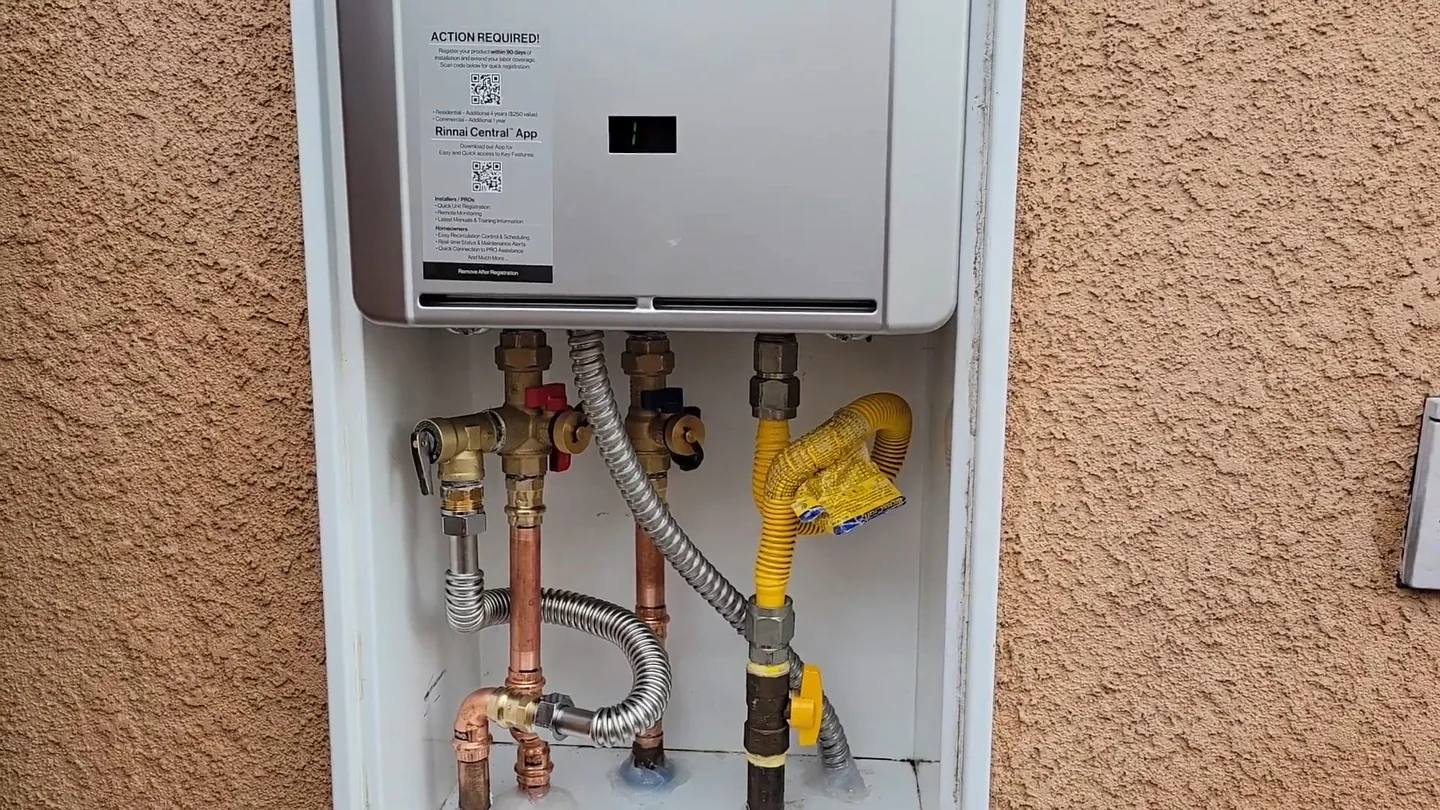
Will a tankless heater actually fit your house?
A tankless heater heats water as it flows, so there is no tank to run out. That is the appeal. The catch is that it asks more of the house: more gas or more electricity at once, and a way to vent exhaust or manage heavy loads. A swap that works in one house may not in the next.
- Check the energy supply. A gas unit may need a larger gas line than a tank. An electric unit can need heavy electrical service. Ask whether your supply can carry it.
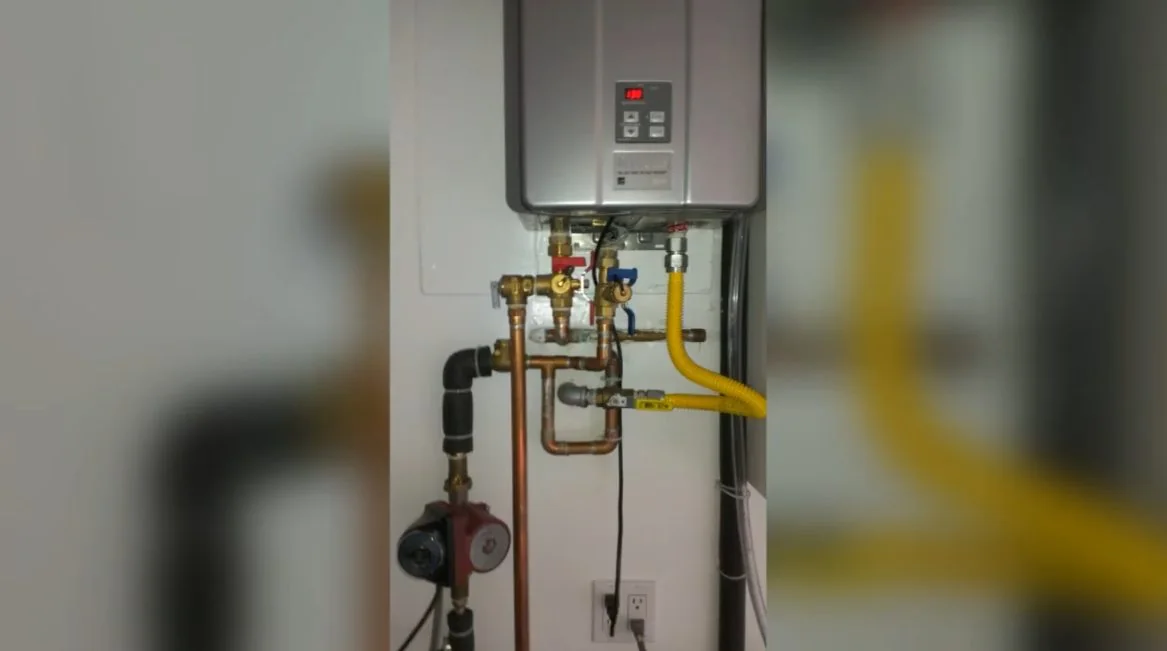
- Check the vent path. Gas tankless units need to be vented safely. Ask where the vent would run and whether existing venting can be reused.
- Check the flow you need. Add up the fixtures that run at the same time. A unit that cannot meet that flow gives lukewarm water.
- Check the space and the drain. Tankless units are wall-mounted, and many need a way to drain condensation or flush scale.
A plumber who is selling you a tankless unit should walk through each of these on your home, not only quote the unit. If the answer to any is no, tank replacement may be simpler.
Tankless or tank: the trade-offs in plain terms
| Question | Tankless | Tank |
|---|---|---|
| Hot water runs out? | Not by volume, but flow limits apply | Yes, when the tank is empty |
| What does the house need? | Often a larger gas line or heavy electric service | Usually the existing supply |
| Space | Wall-mounted, small | Floor space for the tank |
| Upkeep | Scale removal on a regular schedule | Tank flushing and anode checks |
| Upfront work | More, if lines or venting change | Usually less |
This page does not state prices, because they depend on the unit and the changes the house needs. Ask for the cost of the supply and venting changes listed separately from the unit.
Call Edgewater FL Expert Plumbers, tell us your fuel, your household and what the old heater is doing.
Scale, upkeep and what the city's water means for a tankless unit
Scale is the main upkeep issue for tankless units. Minerals in the water build up inside the heat exchanger and cut performance, and many makers recommend periodic flushing. How often depends on the water.
The City of Edgewater draws water from wells in the Floridan Aquifer. Its 2024 water quality report says the water is softened during treatment, and it gives no hardness number. Without that figure, we cannot say how fast scale would form in your unit. Ask the city utility at 386-424-2400, extension 4000, for current hardness, then ask your plumber what schedule fits. Do not accept a flat yearly maintenance claim without a reason.
Gas or electric tankless?
Gas
Gas units can deliver high flow, but they need a gas line sized for them and safe venting. If you smell gas at any time, leave the house and call 911 or your gas provider from outside.
Electric
Electric units skip venting but may need heavy electrical service and a larger breaker. Ask whether your panel can handle it and whether an electrician will be needed.
Small point-of-use units
A small unit under a sink serves a single tap and does not replace the whole-house heater. It can suit a distant bathroom or a wet bar, where waiting for hot water wastes time. It does not solve a whole-house shortage.
Why a tankless heater can feel slow or lukewarm
A few things catch new owners out, and a plumber should tell you about them before you buy.
- Minimum flow. Many units need a certain flow before the burner or element starts. A very low trickle at a tap may not trigger it.
- A gap between uses. If you shut off hot water for a moment and turn it on again, a short blast of cold can come through. Some units handle this better than others.
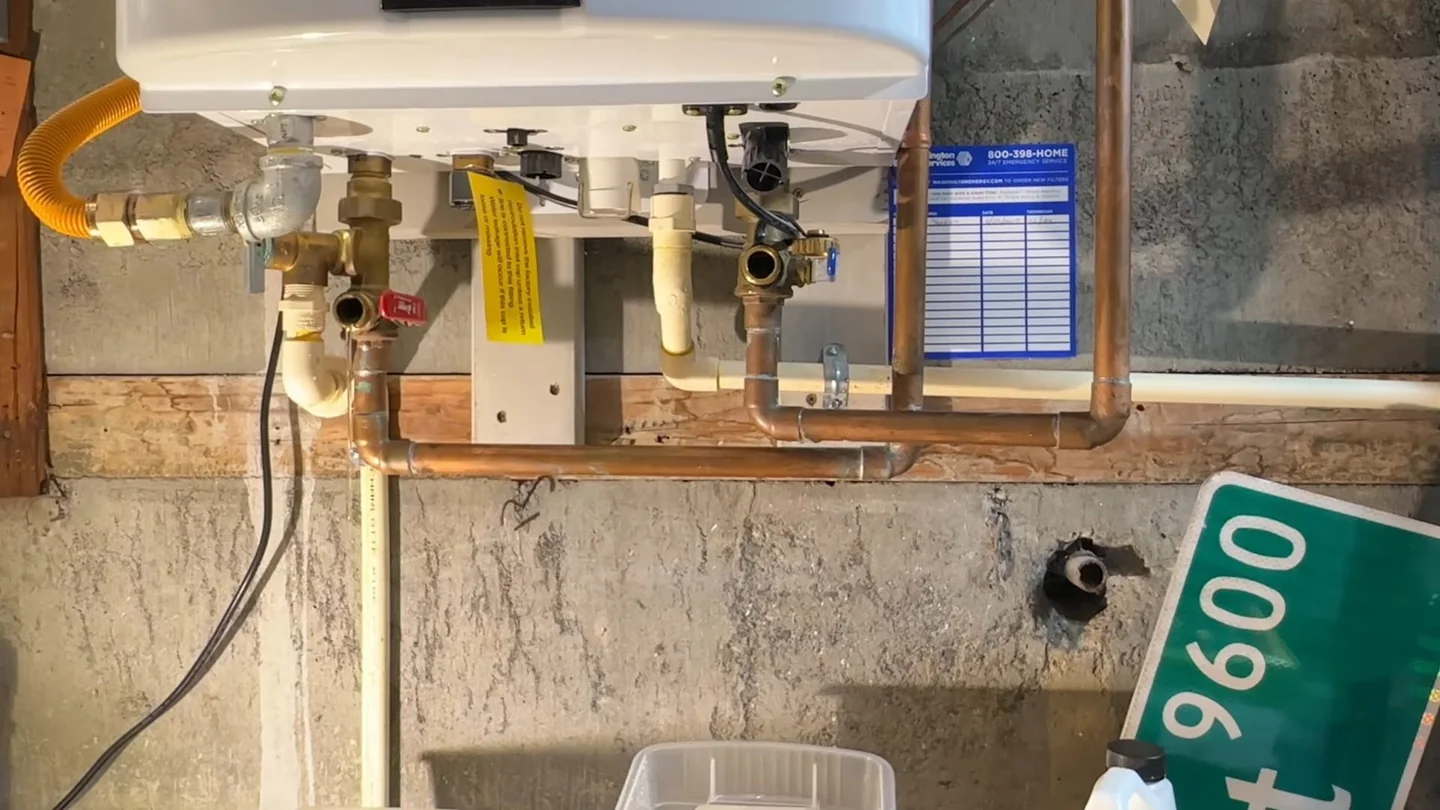
- Distance to the fixture. The heater is not at the tap, so the water in the pipe between them still has to run through. A long run to a bathroom can make that wait longer.
- Several uses at once. A shower and a dishwasher running together can ask for more than one unit can deliver.
Ask the plumber how the unit behaves in these cases and whether a recirculation option or a second unit would help in your layout.
Permits and licensing for a tankless install
The City of Edgewater lists a water heater change out as a permit item in its 2019 fee schedule, adopted as Resolution 2019-R-09. A switch to tankless may involve gas, electric or venting changes too. Call the city at 386-424-2400 to confirm what permits apply and who pulls them.
Florida's Department of Business and Professional Regulation says plumbing work requires licensing and permitting, and that consumers should check a license before hiring. You can look one up at myfloridalicense.com or call 850-487-1395. Gas and electrical work may involve other trades, so ask who is doing each part.
What a tankless quote should list
- The unit, its capacity and its intended gas or electric supply.
- Any change to gas piping, electrical service or the vent, listed separately.
- Removal of the old tank and any permits needed.
- A condensate drain or isolation valves for flushing, where applicable.
- The warranty terms, in writing.
Compare quotes by those lines, not by the headline total. See what drives plumbing prices for how to read a quote.
If your old heater is still working
A heater that works does not have to be replaced. If it is old, rusting or leaking, that changes things, and tank heater repair can help you judge. If it is only running out of hot water at busy times, adding a unit or resizing can be an option worth asking about. A plumber should ask about your household and your habits before recommending a change.
Ask whether a tankless unit suits your house
Tell us your fuel, your household size and what your current heater is doing, and we will say what to check.