
Slab Leak Repair · Edgewater, FL
Warm Floor Spot or a Running Meter in Edgewater, FL? Slab Leak Repair Options and How the Leak Is Found
A warm patch on the floor, the sound of water with everything off or a meter that will not stop can mean a supply line is leaking under a concrete slab. The first job is to confirm it, because the repair options depend on where the leak is.
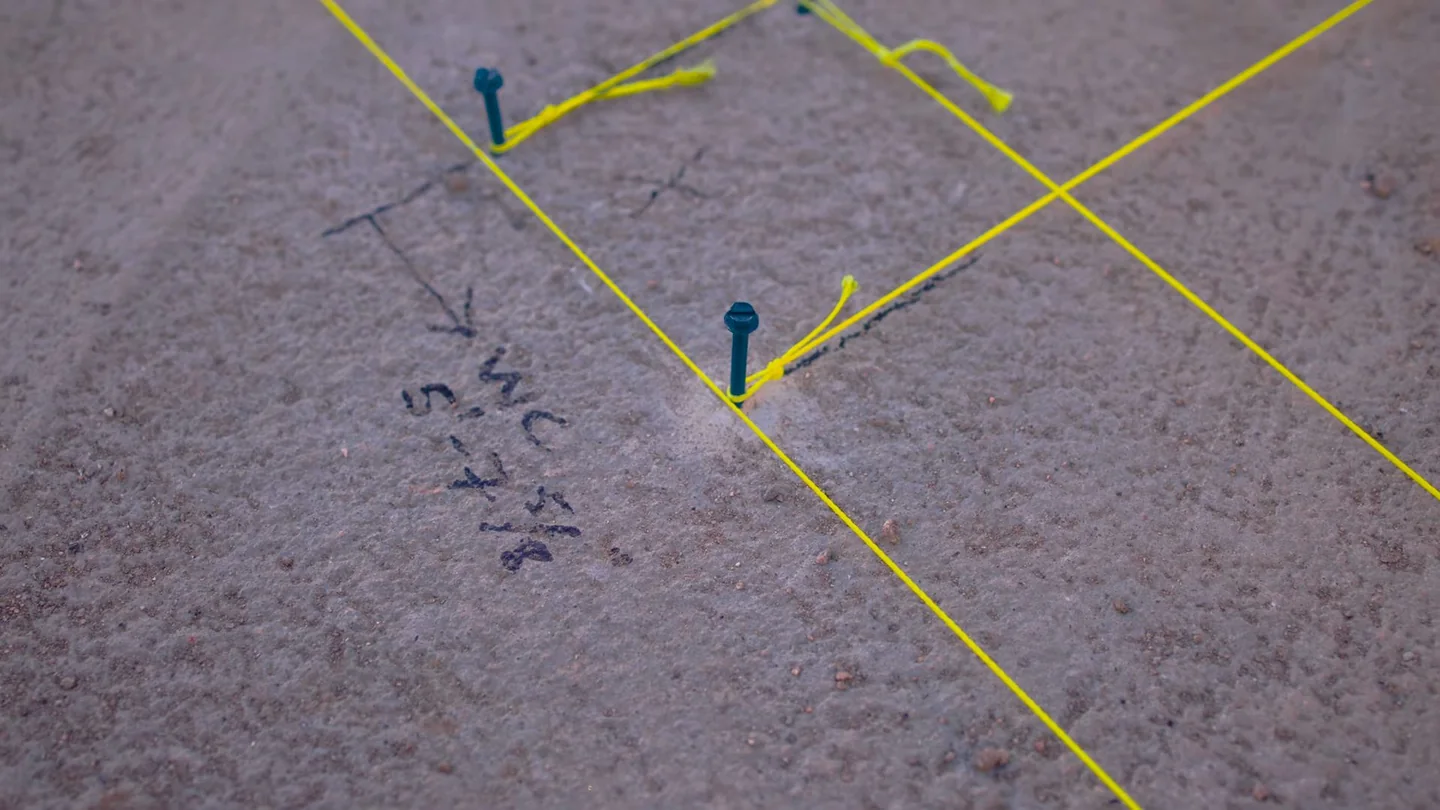
Is the leak really under the floor?
Slab leak is a specific diagnosis, and it applies only if your home sits on a concrete slab with water lines running in or beneath it. We could not verify how common slab foundations are in Edgewater, so do not assume yours is one. Check your plans, your inspection report or the crawlspace before you decide.
If your home is on a slab, these signs point to a supply line leaking below the floor:
- A warm or hot spot on the floor, which suggests a hot-water line.
- The sound of running water when every fixture is off.
- A water meter that keeps moving with everything shut off.
- A sudden rise in your water bill without a change in use.
- Damp or musty carpet, or flooring that is lifting, with no other source.
- Low pressure at several fixtures.
None of these proves a slab leak on its own. A leak in a wall, a failed water heater line or a running toilet can each look like one. The meter test described under pinpointing a hidden leak separates the possibilities in a few minutes.
What a confirmed slab leak puts at risk
Water under a slab can undermine the soil beneath it and soak the materials above it. How much damage occurs depends on how long it has leaked and how much water has escaped. If you see new cracks in walls or flooring along with the signs above, say so on the call, because a plumber may recommend having the structure looked at by someone qualified.
The floor above is the other cost. If flooring has already been wetted, flooring and moisture drying is a separate step from fixing the pipe, and the longer water sits, the more material needs to come out.
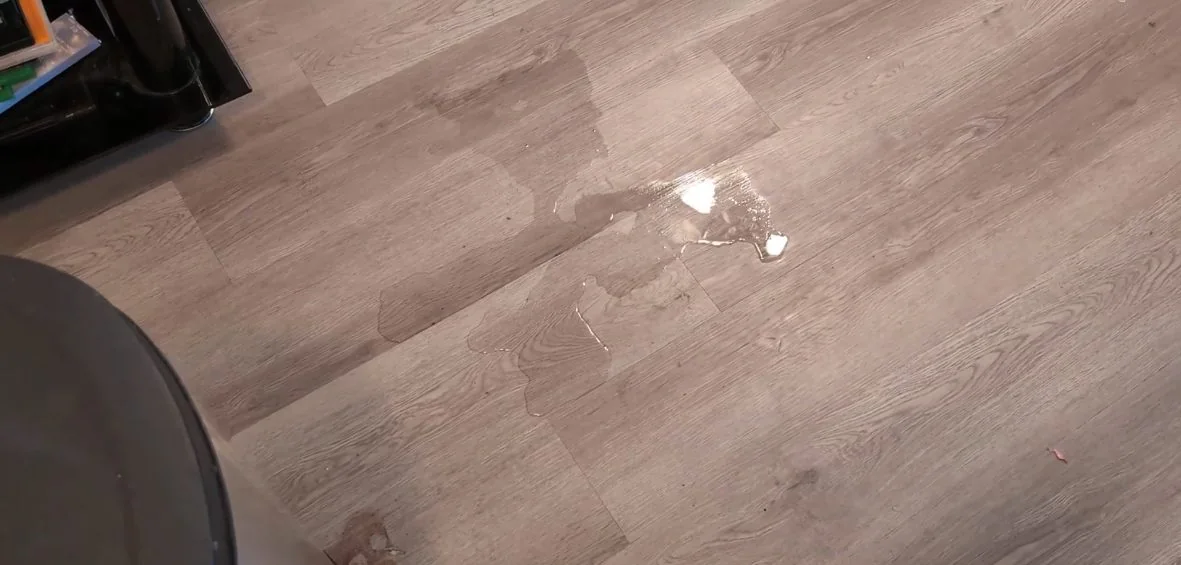
Call Edgewater FL Expert Plumbers, say what you found and what the home is built on.
Three ways to fix a slab leak, and how to choose
| Option | What it involves | Fits when | Trade-off |
|---|---|---|---|
| Spot repair through the slab | The concrete is opened over the leak and the pipe repaired | One leak, in a spot that can be reached | Concrete work and flooring to restore |
| Reroute | A new line runs through walls or the attic, bypassing the leaking section | The line is hard to reach or has failed more than once | Wall access and patching |
| Repipe | The affected lines, or the whole house, are replaced | The pipe is failing in several places | Larger job; see repiping the house |
Ask the plumber which option fits your pipe and why, and what the finished floor will look like. A good answer names where the leak is, what the pipe is made of and how many leaks the pipe may have in the future. A leak is sometimes the first of several.
What to ask a plumber to locate and document
- Where the leak is, marked on the floor or drawn on a plan.
- How it was found, and what readings or recordings support it.
- Whether the leak is on the hot or cold line.
- What the pipe is made of, and whether other leaks are likely.
- What each repair option would open, and who restores the finish.
Keep the findings in writing. Your insurer may want them, and a record of where the pipe was repaired is useful if the house is sold.
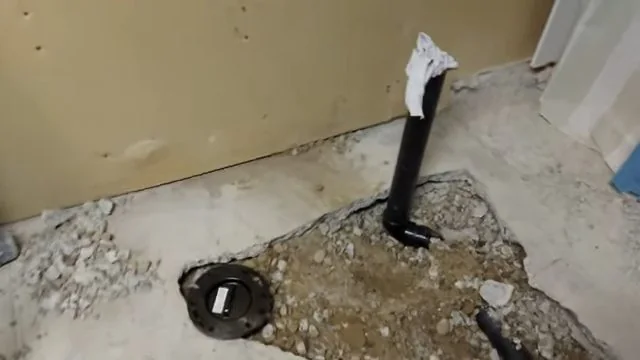
Permits and inspections for work under a slab
The City of Edgewater's 2019 fee schedule lists an "all other plumbing permits" item for alterations, but we found no item specific to slab repair. Call the city at 386-424-2400 to ask whether your repair needs a permit and an inspection, and who pulls it. If an inspector needs to see the work before it is covered, ask when to schedule that, because concrete cannot easily be reopened.
Florida's Department of Business and Professional Regulation says plumbing work requires licensing and permitting, and that consumers should verify a license before hiring. You can look one up at myfloridalicense.com or by calling 850-487-1395.
Hot line or cold line: why the plumber asks
A warm spot on the floor points to a hot-water line, and a leak you only hear points to either. The difference matters, because a hot-line leak can be isolated at the water heater, while a cold-line leak may require the main to stay off. Say what you notice, and note whether the water heater runs more often than it used to.
Meter test and marking the spot while you wait for a visit
- Write down the meter reading, wait an hour with all water off, and read it again. Note both numbers.
- If you can hear water, mark the spot with painter's tape so the plumber can start there.
- Close the main shutoff if the floor is getting wet, and open it only when you need water.
- Keep rugs and furniture off the damp area so it can dry.
Who else owns part of the problem
If the meter keeps running when your main shutoff is closed, the leak is between the meter and the shutoff, not in the slab. If the meter stops, the leak is inside the house. The City of Edgewater utility, at 386-424-2400, extension 4000, can speak to the city side of the meter.
A leak that damages walls or flooring may be covered by your homeowners policy, but policies differ on what they pay for, especially for the pipe itself versus the damage it caused. Ask your insurer before you start repairs, and photograph the damage.
Why a leak may come back
A slab leak is often a symptom of the pipe's condition and not just a one-time event. Pipe that has pinholed in one place may be thin in others. If your plumber finds a second leak or sees corrosion along the run, ask whether the line should be rerouted or replaced instead of repaired again.
If the home was built between about 1978 and 1995, ask whether the pipe is polybutylene. It was used in homes in that period, and its marking is "PB-2110". We cannot say whether any Edgewater home has it, but a plumber can check.
Tell us your meter test result and where the floor is warm
Tell us what you found on the meter test and where the floor feels warm or damp.